

It's 5:47 AM. The alarm went off ten minutes ago. The first game is at 8, the second is at 11:30, and there's a "we'll text you" third game somewhere around 3 PM if the bracket goes the way the coach hopes. The athlete is eating a granola bar in the dark and asking, with a level of resignation that does not match their age, whether this is going to be a long day.
It is. Tournament days are the marathons of youth sports. The trophy goes to the team whose athletes still had something left in the tank by game three.
That's the actual game inside the game on tournament day. Energy management. The day gets won or lost in what happens between the whistles, far more than in the warmups themselves.
A regular practice or game day has one performance window: the athlete shows up, plays, goes home, sleeps it off.
Tournament days have three or four performance windows stacked into a single day, with two or three hours of dead time in between. That dead time is the trap. The athlete sits on a metal bleacher, eats whatever's at the concession stand, scrolls a phone, and gradually loses the energy and focus they're going to need for the next game. By game three, exhaustion sets in from all the waiting, before the playing has even taken its full toll.
The whole secret to a better tournament day is treating that dead time as recovery time. Every choice between games either deposits energy into the tank or drains it.
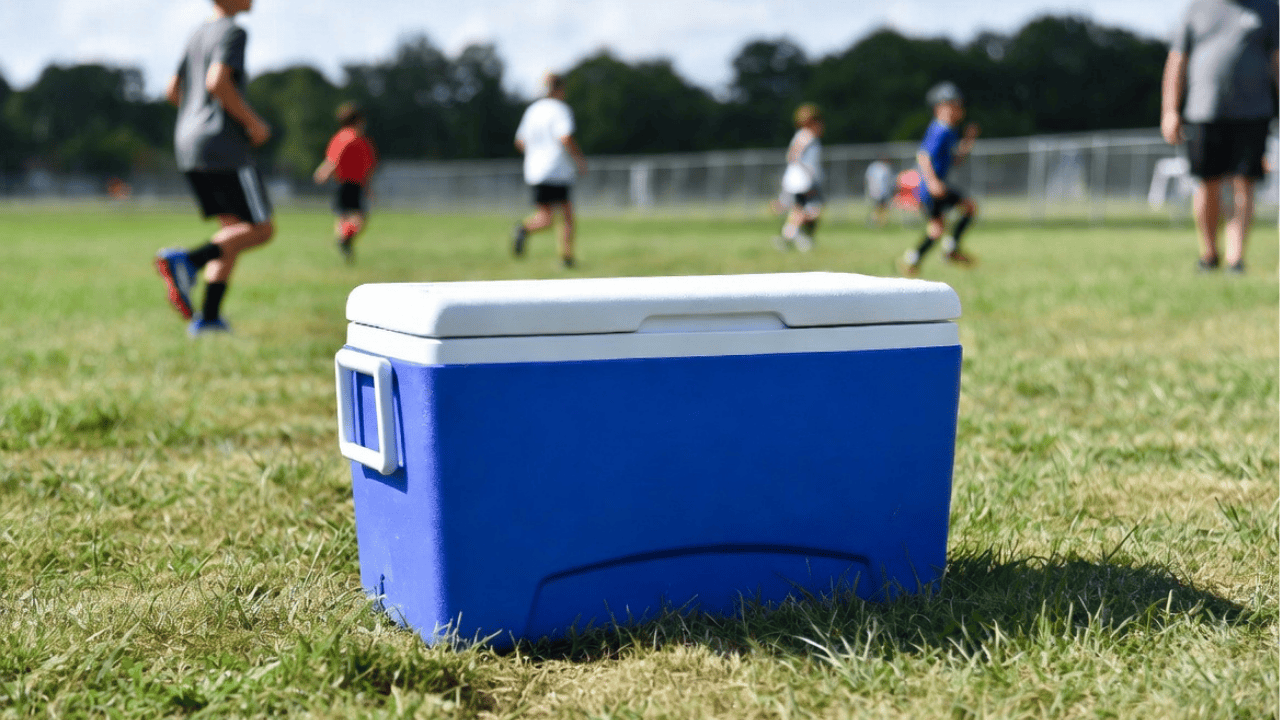
The single most important piece of tournament day gear is the cooler. The right one becomes a full-day food and hydration command center, well beyond a basic beverage cooler.
Concession stand food is a tournament day energy drain disguised as a meal. Hot dogs, nachos, candy, soda. None of it is bad on its own, but all of it together, eaten at 10 AM and again at 1 PM, will gut performance by 3 PM. The fix is bringing what an athlete actually needs to play well, in a cooler that keeps it edible across an 8-hour day.
A high-performance hard or soft-sided cooler with at least a 24-hour ice retention rating, and a 30 to 45-quart capacity that fits enough food and drinks for the athlete plus a sibling and a parent. Wheels are non-negotiable for the long walks from the parking lot. Pack it the night before with sandwiches, fruit, yogurt, jerky, and pre-portioned snack containers, plus extra ice packs. The cooler becomes the pit stop the athlete returns to between games, instead of the concession line.
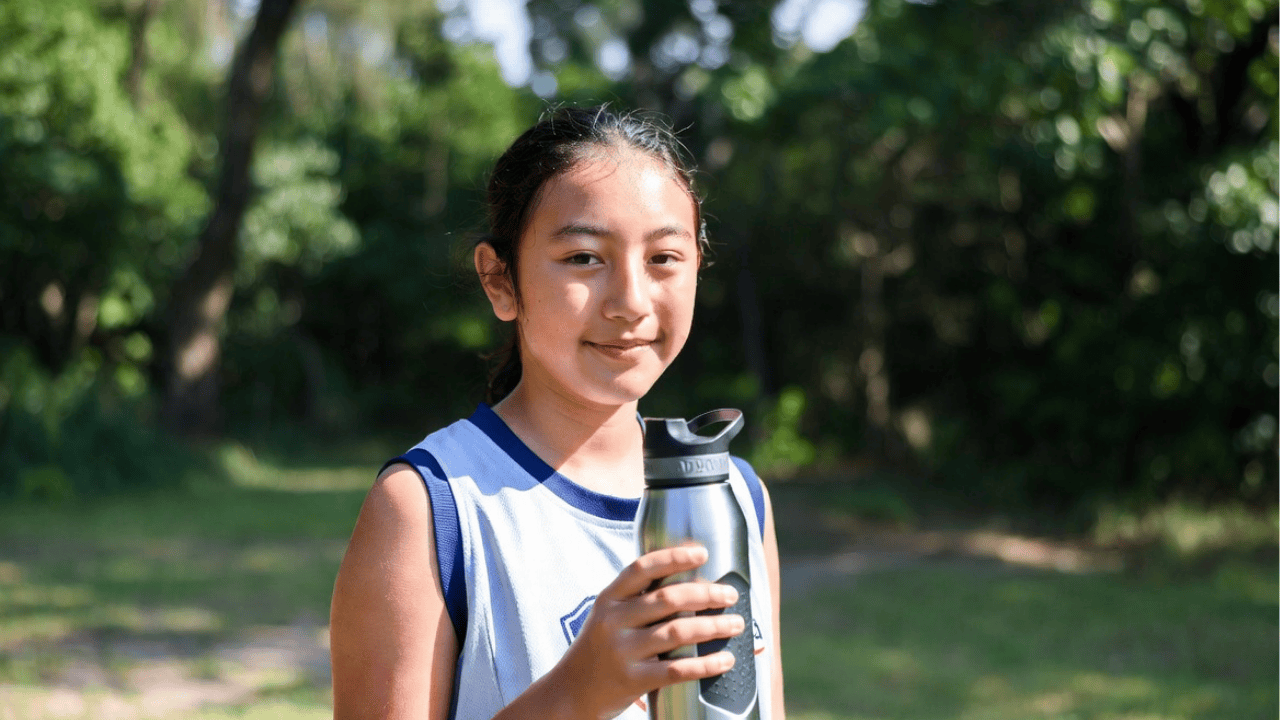
One water bottle, refilled at a concession stand sink, will leave the athlete dehydrated by the third game and wondering why their legs feel weird.
Athletes need water and electrolytes across a full tournament day, especially in heat. Sugary sports drinks help in the moment but spike and crash, while plain water alone misses the sodium and potassium the body needs to keep firing.
An insulated stainless steel water bottle in the 32 to 40-ounce range, big enough to hold a real serving of water plus an electrolyte mix without needing a refill every 20 minutes. Pair it with single-serve electrolyte packets that mix into water without the sugar load of a full sports drink. The athlete drinks one full bottle of plain water in the morning, switches to electrolyte water between game one and game two, and goes back to plain water for the post-game wind-down.
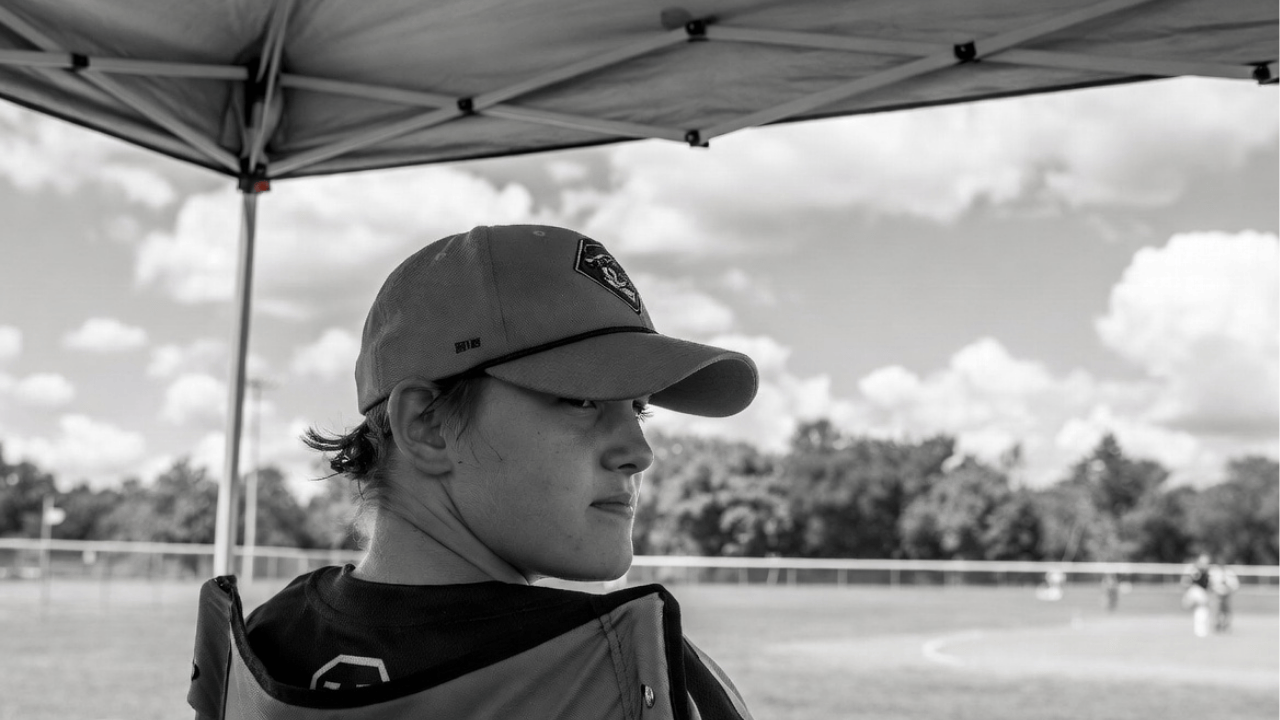
What an athlete does between games matters more than what they do during games, when it comes to having anything left for the third one. A folding chair on the grass and a phone in the face slowly drains an athlete instead of recovering them.
Real recovery between games has three components: getting off the feet, getting cooler if it's hot, and giving the legs a quick reset. Hitting those three between every game is what keeps the legs alive into game three.
A heavy-duty folding camp chair with a built-in canopy or shade attachment turns any patch of grass into an actual recovery zone. A reclining chair beats an upright one for tired legs. Pair it with a small recovery tool, like a compact massage stick or a peanut-shaped massage ball that rolls out tight calves and quads in a few minutes. Twenty minutes of legs-up, shade-on, foam-roll recovery between games is the difference between a sharp game three and a sluggish one.
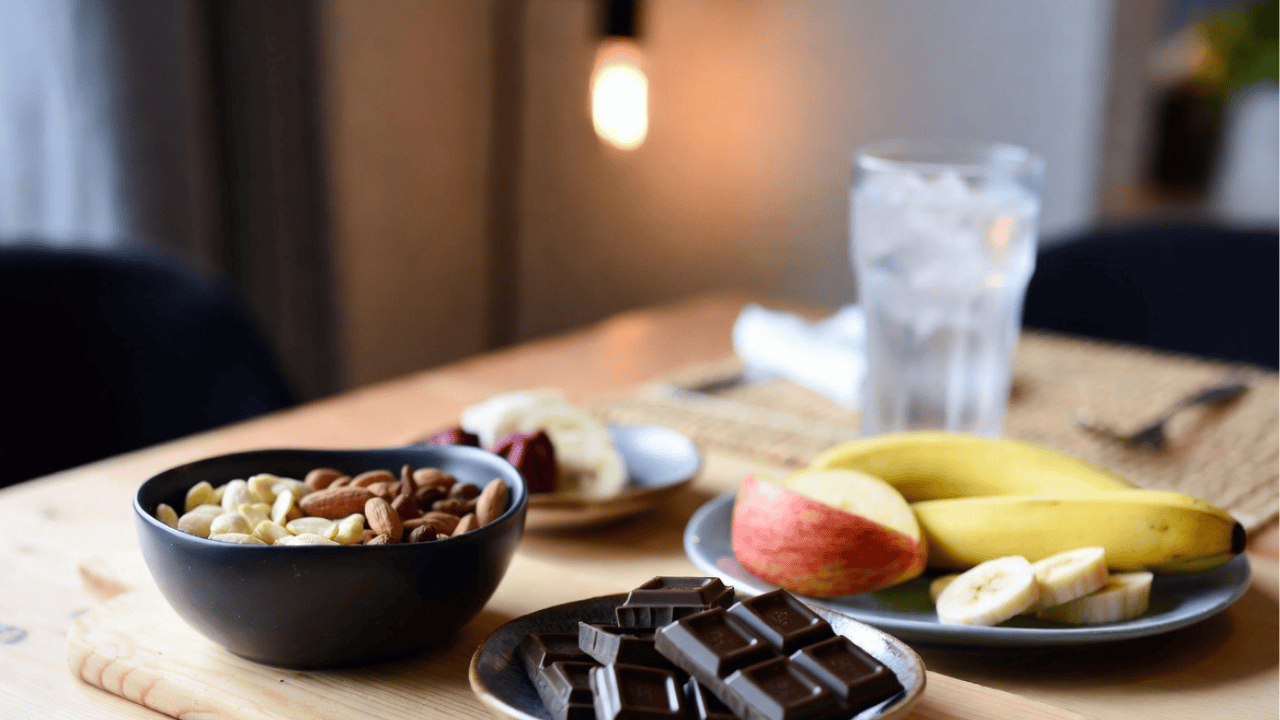
Tournament day snacking has three windows, each with a different job.
The pre-game one is light and fast: a banana, a handful of pretzels, a few crackers with peanut butter. Easy to digest, gives a quick hit of carbs, sits well during warmups.
The mid-day one is the real meal: a turkey and cheese sandwich, a container of grapes, a yogurt, a bag of trail mix. This one has to carry the athlete through the longest stretch of the day. Pack it the night before in a stackable, leakproof set of meal-prep containers so it stays organized in the cooler.
The between-games one is small and strategic: a handful of trail mix, half a granola bar, a few orange slices. Just enough to top off the tank without sitting in the stomach during the next game.
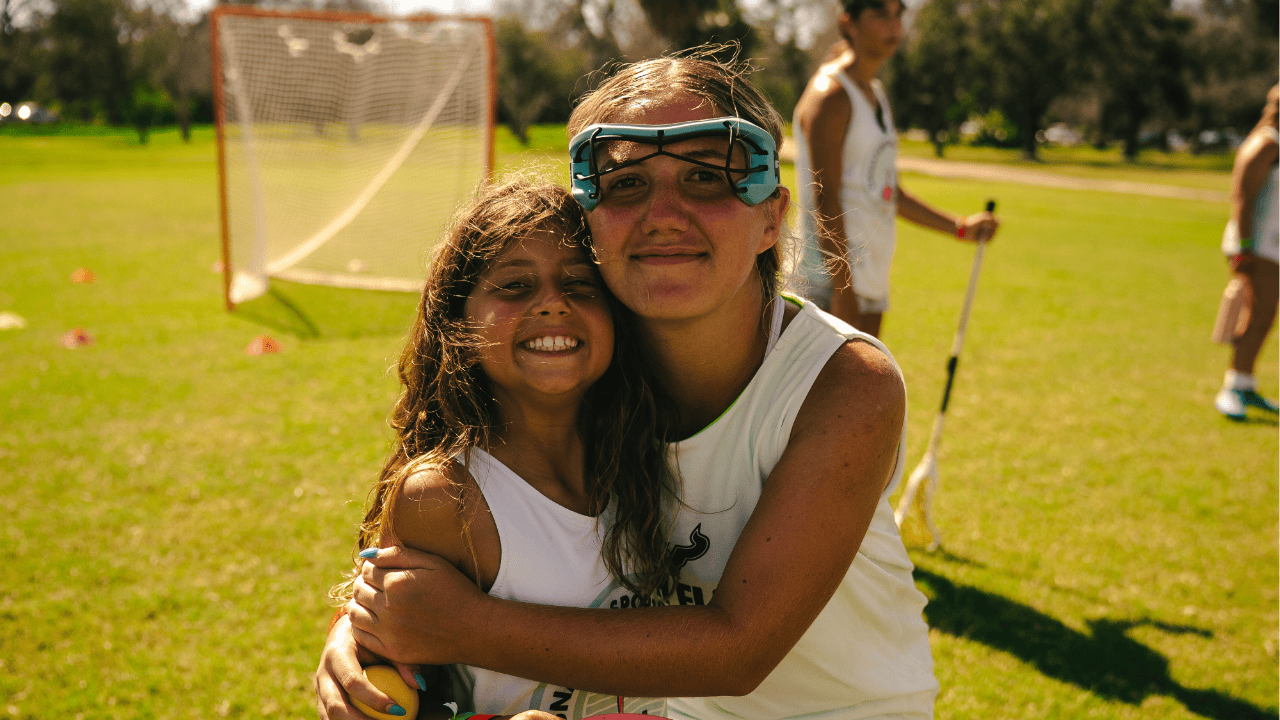
The day really ends when the athlete is fed, hydrated, off their feet, and probably asleep by 8:30 PM, well after the final whistle has blown.
The drive home is the most underrated recovery window of the day. A protein-and-carb snack in the car (chocolate milk, a sandwich, a banana with almond butter) replaces the glycogen the athlete burned through. A clean change of clothes makes the ride home feel less like extending the tournament. Compression socks or recovery slides help the legs settle.
A good tournament day is the athlete in the back seat at 6 PM, tired but laughing, talking about the third game like they were actually fully present in it. It's the parent who didn't lose their mind at 11 AM trying to figure out lunch. It's everybody walking back to the car still on speaking terms.
The cooler, the chair, the bottle, the snacks, the recovery tools. None of it looks glamorous on the field, but it adds up to an athlete who plays game three with the same energy they brought to game one, and a family that survives a 14-hour day without combusting.
That's the actual win, with the trophy as a bonus.
Real talk, tips, and stories for every parent. Free, and written by parents who have been there.
Exclusive savings for your family from Back 2 Sports Hub partners.