
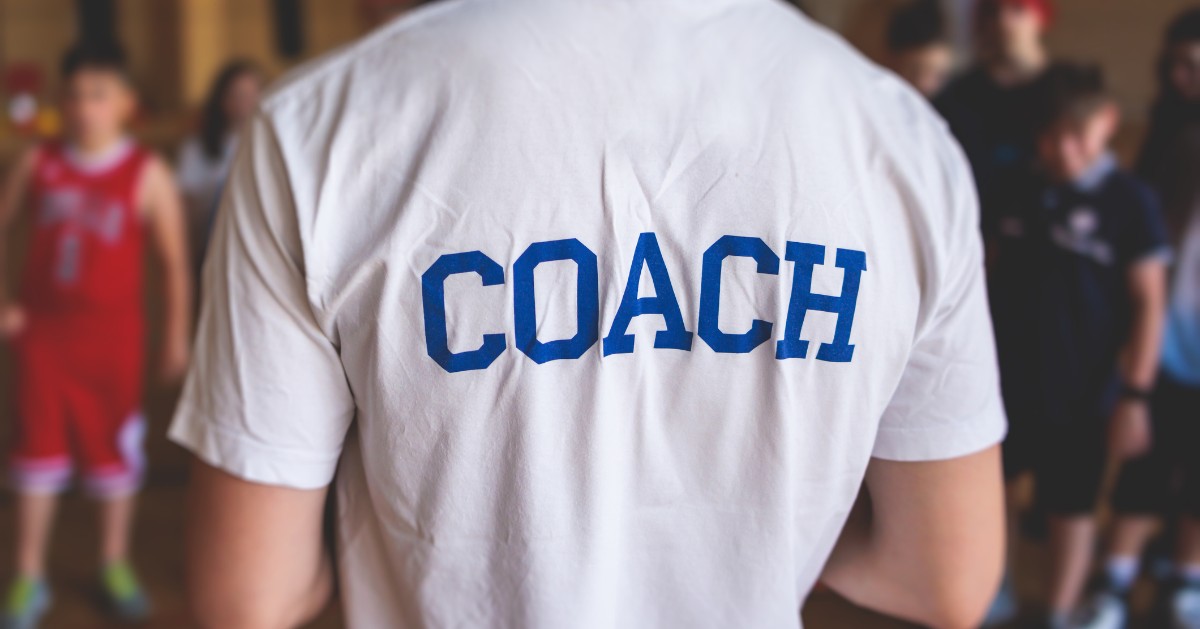
Let’s clear up a common misconception: coaches absolutely want to communicate with parents. We value your involvement and recognize that you’re essential to your child’s athletic journey. The key is knowing how to make those conversations productive and supportive.
After years of working with youth sports families, I’ve witnessed the full spectrum of parent-coach interactions. The difference between successful partnerships and problematic ones often comes down to communication style. When parents and coaches work together effectively, everyone wins—especially the athletes.
The strategies I’ll share aren’t rigid rules, but rather proven approaches that foster positive relationships and create an environment where young athletes can thrive. Whether you’re a parent feeling frustrated about playing time or a coach preparing for a difficult conversation, these communication tools will help you navigate those crucial discussions with confidence and respect.
This might be the most important advice I can give any sports parent: resist the urge to fire off that immediate post-game email or text message.
I get it. You just watched your child sit on the bench for most of the game, or they didn’t get the starting position they were hoping for. Your emotions are running high, and you want answers right now. That protective parent instinct kicks in, and suddenly you’re crafting a message that starts with “I’m not that kind of parent, but…”
Here’s the thing: when you reach out immediately after a game or decision, you’re operating from an emotional place rather than a rational one. Those 24 hours give you crucial time to process what happened, consider different perspectives, and approach the situation with a clear head.
During this cooling-off period, ask yourself some honest questions. Did you see the entire game from the coach’s perspective? Were there strategic decisions you might not have understood? Could there have been factors you weren’t aware of that influenced playing time decisions?
This waiting period isn’t just about calming down—it’s about shifting from reaction mode to solution mode. When you eventually do reach out to the coach, you’ll be in a much better headspace to have a productive conversation that actually helps your child.
The way you phrase your concerns makes all the difference in how they’re received. Instead of approaching the coach with accusations or demands, position yourself as a partner in your child’s development.
Avoid phrases like:
Instead, try approaches like:
Notice the difference? These questions position you as someone who wants to understand and help, not as someone who’s challenging the coach’s authority or expertise. This approach opens the door for honest, constructive dialogue rather than putting the coach on the defensive.
When you offer to help rather than criticize, you’re showing respect for the coach’s role while demonstrating your commitment to your child’s growth. Coaches appreciate parents who want to be part of the solution.
Remember that your child is one player on a team full of individuals, each with their own strengths, challenges, and development needs. As a parent, it’s natural to focus primarily on your own child, but coaches have to balance the needs of every player while also considering team strategy and dynamics.
Before you question a coaching decision, consider factors you might not be aware of:
Coaches make dozens of split-second decisions during every game, drawing on their knowledge of each player’s abilities, the team’s overall strategy, and the specific circumstances of that moment. What might look like an unfair decision from the stands often makes perfect sense when you understand all the variables involved.
When you approach your coach with questions, acknowledge this broader perspective. You might say something like, “I know you’re balancing a lot of different factors with the whole team. Can you help me understand how I can best support my child’s role within that bigger picture?”
These three tips aren’t just about avoiding conflict—they’re about building the kind of positive relationship between parents and coaches that makes youth sports enjoyable and beneficial for everyone involved. When parents and coaches work together as partners in a child’s development, amazing things happen.
Your coach wants your child to succeed. They’ve dedicated their time and energy to helping young athletes grow, learn, and improve. By approaching them with patience, respect, and a collaborative spirit, you’re creating an environment where your child can thrive.
Remember, youth sports are about so much more than playing time or winning games. They’re about building character, learning teamwork, developing resilience, and creating positive memories that last a lifetime. When parents and coaches work together using these simple communication strategies, they create the foundation for all of those wonderful outcomes to flourish.
Real talk, tips, and stories for every parent. Free, and written by parents who have been there.
Exclusive savings for your family from Back 2 Sports Hub partners.