

The first day of summer camp is a few weeks out, and most programs are running a version of the camp they ran last year: a familiar setup, a familiar flow, familiar materials. That continuity is an asset. The programs that get the most out of it are the ones that pressure-test the operation before opening day, so the parts that ran well last year run well again and the few rough spots get resolved in advance.
A short pre-camp walkthrough is what makes that happen. It turns the predictable friction points into planned-for details: the Day One check-in that flows instead of backing up, the camper placed in the right skill group from Monday, the weather call everyone already knows how to make, and the new family that hears about year-round options while camp is still fresh. Each of these is well within reach of a program that plans for it.
This is the walkthrough. Eight moves worth running in the next two to three weeks.

Staffing is the variable that drives almost everything else, so it is worth getting specific about what strong looks like.
Beyond the structure, one check matters most: lead coaches at each age group are not just confirmed but committed, which means the verbal "I think I can make it work" has been converted into a written yes.
How kids get placed on Day One gets decided in advance, written down, and communicated to staff before any nametag goes out. The setup that works:
Day One check-in is the family's first experience of camp, and it sets the tone for the week. The structure that holds up:
Two weeks before camp, walk the flow yourself with one staff member playing a first-time parent who is not sure where to go. The walkthrough surfaces the bottlenecks, the unmarked walkway or the missing greeter slot when the rush hits, before they matter. Twenty minutes of rehearsal saves Day One.
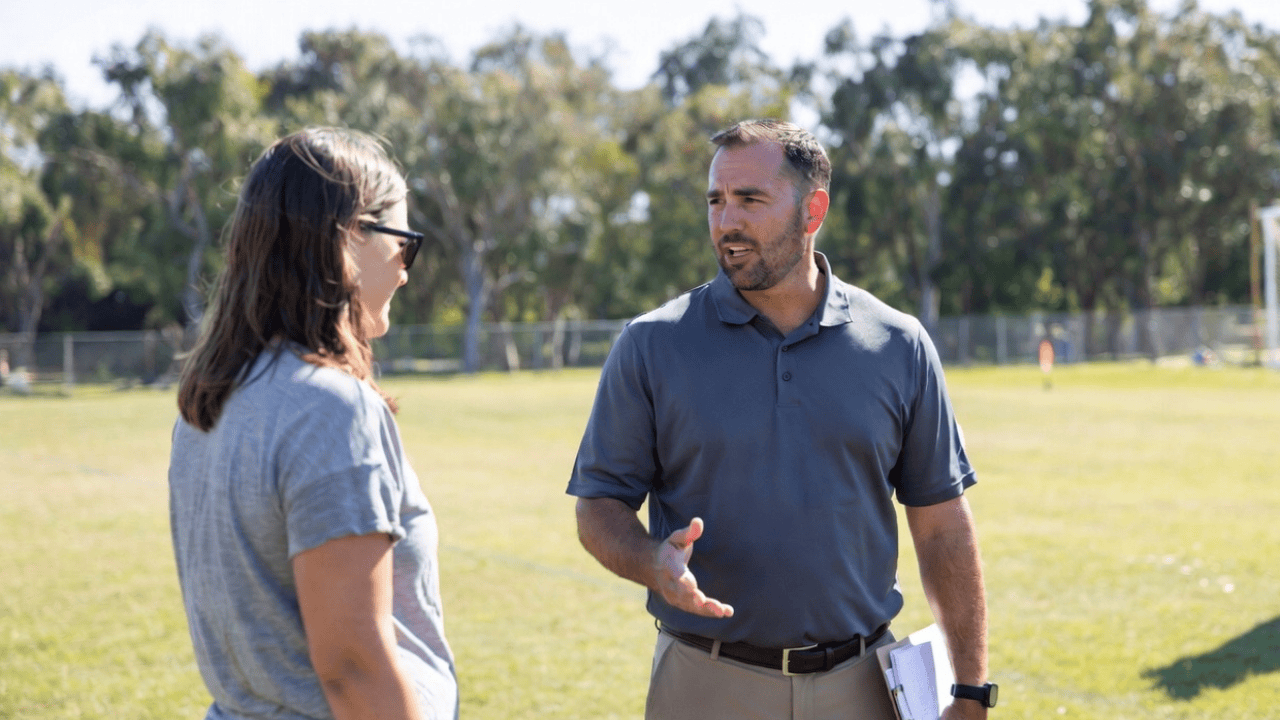
Parents need two things: clear expectations before camp starts and a reliable channel during the week.
The daily post does most of the work of preventing the 7pm anxiety email.
Medical information is a non-negotiable safety item. A complete, current medical form is on file for every camper before Day One, including allergies, medications, conditions, dosage and timing for any medication taken at camp, and two emergency contacts. Forms live in two places: a binder at check-in and a digital folder every lead coach can pull up on a phone in under 30 seconds. In pre-camp orientation, every staff member walks through the four most common situations:
Kids carrying EpiPens or inhalers keep the medication in a labeled, accessible spot rather than buried in a backpack. The preparation takes very little time, and it is what protects everyone if an incident happens during camp week.
Summer weather is a given, so the plan exists in writing before camp opens.
Parent notification runs through the daily-update channel from move 4, so families are not refreshing three places to find out what is happening.

The cones, balls, and setup each drill calls for are easy to assume are handled and easy to have surface as a gap on Day One, so strong programs confirm the setup during the walkthrough rather than the morning camp opens. Two to three weeks out:
This is the move most programs skip, and it carries the highest long-term value. Many camp families are new to the program and are expecting a week-long experience without committing to anything beyond it, so the plan to invite them further has three pieces, all built before Day One.
That is how a strong camp week turns into year-round enrollment.
The full walkthrough is a 60-minute exercise the director runs with the camp lead three to four weeks out. Score each move honestly and identify the highest-priority gaps to close in the remaining time. Most programs find two or three moves that need attention, and the fixes are usually quick. Closing them ahead of time is what keeps camp week feeling like the well-run operation the program already knows how to deliver, rather than a week where small gaps surface as Day One surprises. Run the walkthrough, close the gaps, and open the gates ready.
One practical system for growing, staffing, and running your program. Free, and written for directors who are short on time.
Exclusive savings for your program from Back 2 Sports Hub partners.